
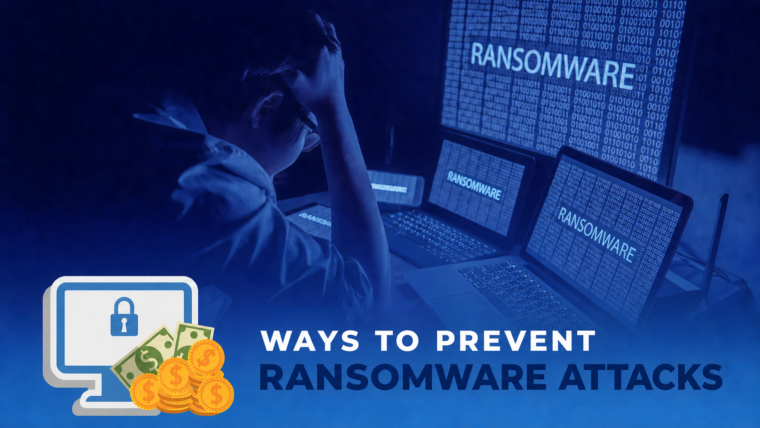
Ransomware attacks aren’t coming. They are already inside. The old playbook of “patch, backup, train” is a checkbox, not a strategy. You need a defense-in-depth architecture designed to fail securely. Let’s build it.
Ransomware locks your files and demands money to unlock them. It’s a digital kidnapping. This guide cuts through the complexity and gives you 13 clear, actionable steps—anyone can follow them, starting today.
Verified Carding Markets for Cashouts
Verified accounts, real logs, and secure transfers - browse the categories most buyers trust on clear and darkweb.

🛡️ Immediate Action Box: Your First 24-Hour Shield
- Turn on automatic updates for your computer, phone, and apps right now.
- Enable 2-factor authentication (2FA) on your email and bank accounts.
- Set up a 3-2-1 backup: 3 copies of your data, on 2 different devices, with 1 copy offline.
- Think before you click. If an email or link feels off, it probably is.
How Ransomware Really Gets In (It’s Not What You Think)
Forget Hollywood hackers. Most ransomware gets in through simple tricks: a fake Amazon delivery email, an outdated program on your computer, or a weak password like “password123.” The goal isn’t to outsmart a genius; it’s to stop the common, lazy attacks that work 99% of the time.
Read also: 7 Best Dark Web Search Engines with Verified Onion Links
Your 13-Point Ransomware Defense Plan
1. Updates Are Your #1 Shield
Why it works: Hackers use known holes in software. Updates patch these holes.
How to do it: Turn on automatic updates for:
- Your operating system (Windows Update, macOS Software Update).
- Your web browser (Chrome, Firefox, Edge).
- All apps, especially Java, Adobe Reader, and Office.
Quick Tip: If an app doesn’t update automatically, consider uninstalling it.
2. Backups Are Your Get-Out-of-Jail-Free Card
Why it works: If your files are locked, you restore from a clean backup. No ransom needed.
How to do it (The 3-2-1 Rule):
- 3 Copies: Your original file, plus two backups.
- 2 Different Media: Use an external hard drive and a cloud service (like Google Drive or Backblaze).
- 1 Offline Copy: Keep one backup disconnected from the internet (unplug the external drive). This stops ransomware from encrypting it too.
Quick Tip: Test restoring a file from backup once a month. A backup that can’t be restored is useless.
3. Passwords Are Dead. Use a passphrase + 2FA.
Why it works: “Password123” is cracked instantly. A passphrase takes centuries.
How to do it:
- Create a passphrase: Think of a sentence:
MyCatTobyLovesTunaInMarch!. That’s long, strong, and memorable. - Use a Password Manager: Tools like Bitwarden (free) or 1Password generate and store unique passwords for every site.
- Enable 2-Factor Authentication (2FA): This adds a second step, like a code from your phone app (Google Authenticator, Authy). Never use SMS/text codes if you can avoid it—hackers can steal them.
Quick Tip: Start with your email account. If a hacker has your email, they can reset all your other passwords.
Read also: Top 10 Secure Dark Web Markets
4. Spot Phishing Emails Like a Pro
Why it works: 90% of attacks start with a phishing email.
How to do it: Check for these red flags:
- Urgency: “Your account will be closed in 24 hours!”
- Poor grammar: Odd phrasing or spelling mistakes.
- Mismatched links: Hover your mouse over a link. Does the URL look strange or not match the company’s real website?
- Unexpected attachments: Did you ask for this invoice or document?
Quick Tip: If in doubt, contact the sender through a known, separate method (call them or use the official website).
5. Use Antivirus, But the Right Kind
Why it works: Old antivirus looks for known bad software. New ransomware is unknown.
How to do it: Use next-generation antivirus that looks for suspicious behavior, not just known viruses. Good free options include Bitdefender or Kaspersky Security Cloud Free. For businesses, Endpoint Detection and Response (EDR) is essential.
Quick Tip: Windows Defender (built into Windows) is decent. Make sure it’s turned on and updated.
6. Click with Caution: The Web Filter
Why it works: Blocks you from accidentally visiting malicious sites.
How to do it: Use a browser extension like uBlock Origin. For families or businesses, use a DNS filtering service like OpenDNS (free) or Cloudflare Gateway. This blocks dangerous websites at the network level.
Quick Tip: Configure your home router to use OpenDNS—it protects every device on your Wi-Fi.
Read also: Top 8 Best Dark Web Browsers Ranked for Real Anonymity
7. Lock Down Remote Access (RDP)
Why it works: Hackers scan the internet for open “Remote Desktop” ports and break in.
How to do it:
- If you don’t need it, disable it. (Search “Remote Desktop settings” on your PC).
- If you need it, hide it behind a VPN (like Tailscale or WireGuard) and use strong 2FA.
- Never, ever leave RDP exposed to the internet with a simple password.
Quick Tip: This is the #1 way ransomware attacks businesses. Check your settings now.
8. The Power of “No”: User Account Control
Why it works: Stops unauthorized software from making changes to your computer.
How to do it: On Windows, never run your daily PC as an Administrator. Create a standard user account for everyday use. When a program asks to “make changes to your device,” pause and ask, “Did I intentionally start this?”
Quick Tip: This single habit blocks most “drive-by” malware installations.
9. Segment Your Network (For Home & Office)
Why it works: If your smart fridge gets hacked, it shouldn’t be able to talk to your laptop.
How to do it:
- Home: Use a modern router that lets you create a Guest Wi-Fi network for IoT devices (lights, cameras, speakers). Keep your personal computers and phones on the main network.
- Office: Critical servers (like backups) should be on a separate network segment, inaccessible from regular workstations.
Quick Tip: Network segmentation is your firebreak. It contains an infection.
10. Prepare Your “Oh No!” Plan (Incident Response)
Why it works: Panic costs time and money. A plan saves both.
How to do it: Write down a one-page plan and share it:
- Who to call: IT support, your boss, your insurance.
- First step: Disconnect the infected device from the network (pull the cable, turn off Wi-Fi).
- Evidence: Don’t turn off the computer—forensic data might be in memory.
- Decision point: Will we pay the ransom? (The FBI advises against it, as it funds crime and offers no guarantee).
Quick Tip: Practice this drill once a year. “We got a ransom note on the accounting server. Go!”
Read also: Best Dark Web Markets List: A Pro Security Guide
11. Get Smart About Cyber Insurance
Why it works: Covers costs for recovery, legal fees, and customer notification.
How to do it:
- Read the fine print. Many policies now require you to have backups, MFA, and EDR in place to pay out.
- Know what’s excluded. Some policies won’t cover payments if the attacker is from a sanctioned country.
- It’s not “set and forget.” Update your policy as you add new security measures.
Quick Tip: Insurance is a safety net, not a replacement for security.
12. Train Everyone, Forever
Why it works: Humans are the weakest link—and the strongest defense.
How to do it:
- Move beyond yearly boring videos. Use short, monthly simulated phishing tests.
- Reward people for reporting suspicious emails, even if it’s a false alarm.
- Share real-world examples: “This fake UPS email almost got Bob last week. Here’s how he spotted it.”
Quick Tip: Make security awareness part of your culture, not a compliance checkbox.
13. Assume You’re Already Hacked
Why it works: This mindset shift changes everything. You stop just building walls and start looking for intruders inside them.
How to do it:
- Monitor for strange activity: Unusual login times, large file downloads, new user accounts.
- Hunt proactively: Use your antivirus/EDR tools to search for known hacker tools (like Mimikatz or PsExec).
- Log everything: Keep logs for at least 90 days. You can’t investigate what you don’t record.
Quick Tip: Ask your IT person, “If someone was inside our network right now, how would we know?”
Read also: USB Speaker Hack: How a Speaker Can Infect Your PC Without a Single Click
A Real-World Example: How a Simple Hack Unfolds
Let’s say Jane in Accounting gets an email: “Your voicemail is ready.” She clicks, enters her Office 365 password on a fake page. Boom. Hackers now have her email.
- Day 1: They read her emails and learn the company’s style.
- Day 7: They send a fake invoice from her email to the finance department, who pays it.
- Day 14: Using her access, they quietly steal all company data to an external cloud drive.
- Day 21: They deploy ransomware, encrypting every computer. They now demand two ransoms: one to unlock files and another to not publish the stolen data.
How our 13 steps would have stopped it:
- 2FA (Step 3) would have blocked the initial login, even with her password.
- Phishing training (Step 4) would have helped Jane spot the fake site.
- Network segmentation (Step 9) would have limited how far the hackers could move.
- Behavioral monitoring (Step 13) might have caught the massive data upload.
Your Simple, Powerful Checklist to Start Today
For Everyone:
- Turned on automatic updates everywhere.
- Set up 3-2-1 backups.
- Switched to passphrases and a password manager.
- Enabled 2FA on email and banking.
- Installed uBlock Origin on my browser.
For Business Owners/IT:
- Disabled or secured Remote Desktop (RDP).
- Switched from old antivirus to modern EDR/NGAV.
- Segmented the network (Guest Wi-Fi for IoT).
- Written and shared a one-page “Oh No!” plan.
- Scheduled a simulated phishing test for next month.
Ransomware prevention isn’t about being perfectly secure. It’s about being too much of a hassle to hack. By implementing these 13 layers, you move from being an easy target to a hardened one. Start with Step 1. Do it now.
Verified Carding Markets for Cashouts
Verified accounts, real logs, and secure transfers - browse the categories most buyers trust on clear and darkweb.

Leave a Reply