
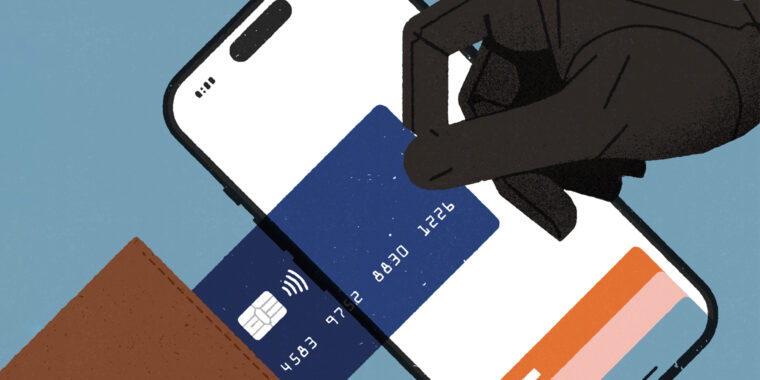
Ever wonder how thieves can steal your credit card without ever touching it? They’re now targeting the digital wallets on your phone, like Apple Pay and Google Pay, in a scam called “carding.” It’s a clever trick that lets them use your money for their shopping sprees, and it’s happening worldwide.
RED ALERT: If you get a text asking you to pay a small fee by clicking a link and entering a code you receive STOP immediately. Follow this guide to stay safe from this type of fraud, and you’ll learn how scammers add your card to their mobile wallet.
How the Mobile Wallet Scam Works
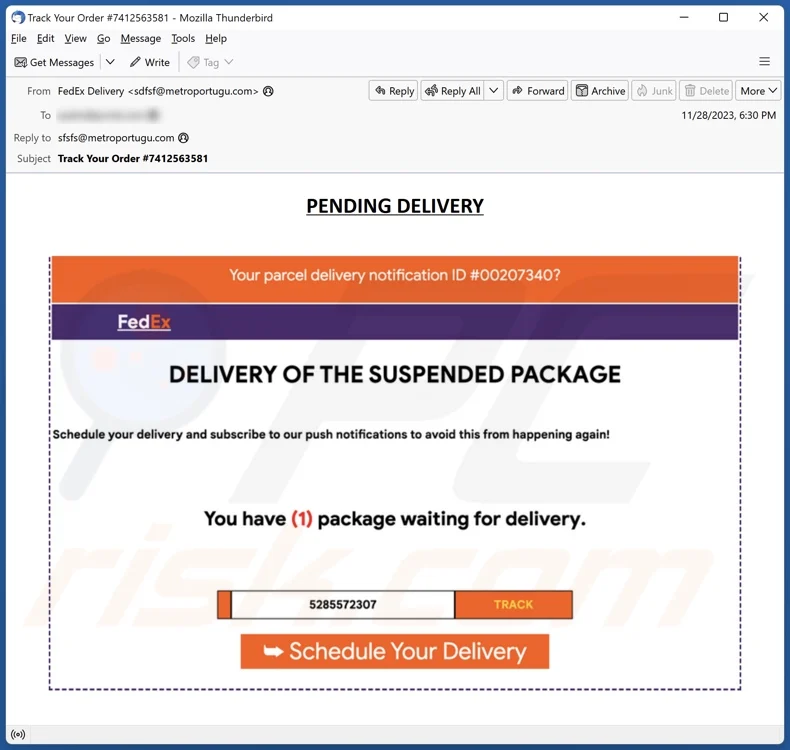
The scam usually starts with a text message that looks real. It might say it’s from a delivery service like FedEx or a toll company, claiming you owe a small fee. The message creates urgency, making you think you need to pay right away to avoid problems.
Verified Carding Markets for Cashouts
Verified accounts, real logs, and secure transfers - browse the categories most buyers trust on clear and darkweb.

When you click the link in the message, it takes you to a fake website that looks almost exactly like the real one. There, you’re asked to enter your credit card details to pay the “fee.”
Here’s where they get you: the website then asks for a one-time passcode (OTP) that’s sent to your phone. They’ll say it’s just to verify your payment. But in reality, that code is authorizing them to add your card to their mobile wallet. Once they do this, they can start using your money immediately.
How a suspicious Scam email looks
How Thieves Use Your Stolen Card Info
Once scammers have your card linked to a mobile wallet, they have several ways to cash out:
Selling Phones with Your Card: Some thieves sell smartphones that already have your card loaded onto them. Buyers can then use these phones to make tap-to-pay purchases with your money. These phones are often sold in secret online groups and dark web forums.
“Ghost Tap” Trick: More advanced scammers use special apps that let them make tap-to-pay purchases from anywhere in the world. They do this by tricking payment terminals into thinking their phone is actually yours, even when they’re miles away.
How Big Is This Problem?
This type of digital wallet fraud is massive. Security experts estimate it costs about $15 billion every year. What’s scarier is that the whole process, from stealing your card info to using it, now takes just about a week, making it much harder for banks to catch in time.
Related: Top 8 Best Dark Web Browsers Ranked for Real Anonymity
The Spain Connection
Spain has recently become a hotspot for this kind of fraud. As more people there shop online, scammers are taking advantage. In 2023 alone, over €1 billion was lost to credit card fraud across Europe, with Spain accounting for a big chunk of that.
In Spain, scammers often test stolen cards by making tiny purchases first. If those go through, they’ll move on to bigger buys or sell the card details to other criminals. Big online stores like Amazon are common targets because they have home delivery options that scammers can exploit through Amazon carding methods and Amazon Giftcard carding methods
How to Protect Yourself
You don’t need to be a tech expert to stay safe. Just follow these simple steps:
Related: CC to BTC Method: Ultimate Beginner’s Guide to Card Bitcoin
- Be suspicious of unexpected payment requests. If you get a text saying you owe money, don’t click the link. Go directly to the official website or app to check your account.
- Check website addresses carefully. Scam sites often look almost identical to real ones but have tiny differences in the web address.
- NEVER share one-time passcodes. Real companies won’t ask for these codes to verify a payment or add a card to a wallet. If you’re asked for a code you didn’t expect, it’s probably a scam.
- Check your bank statements regularly. Look for any charges you don’t recognize and report them immediately.
- Use extra security when possible. Turn on two-factor authentication for your accounts. Consider using prepaid or virtual credit cards for online shopping to limit your risk.
- Shop safely. Make sure websites have “https” in their address (the “s” means secure). Avoid shopping on public WiFi networks where hackers might steal your information.
What Banks Need to Do Better
One big problem is that banks still rely on text messages for security codes. As long as they keep doing this, scammers will find ways to get those codes.
Banks should switch to safer methods like:
- Using their official apps for verification instead of text messages
- Requiring fingerprint or face recognition for mobile wallet payments
- Using smarter computer programs that can spot unusual spending patterns
Conclusion
Mobile wallet fraud is growing because scammers are always finding new tricks. The recent surge in Spain shows this is a worldwide problem.
But by staying alert and being careful with unexpected messages, you can protect yourself. And by demanding better security from banks, we can all help make digital payments safer for everyone.
Remember: if something feels off about a payment request, it probably is. Take a moment to verify before you click, and you’ll stay one step ahead of the scammers.
Related: Ultimate Carding Tutorial 2026: Expert Guide to Carding
Verified Carding Markets for Cashouts
Verified accounts, real logs, and secure transfers - browse the categories most buyers trust on clear and darkweb.
Leave a Reply