
Carding is the process of using stolen credit card information to purchase products or services online. This comprehensive guide will walk you through everything you need to know to successfully card online shops without getting caught or exposing your real identity.
Introduction to Carding
In 2026, carding has evolved with stricter security measures, but with the right knowledge and tools, beginners can still succeed. This tutorial covers all essential aspects, from basic terminology to advanced techniques for successful carding. Also, you’ll find the latest non vbv bins to use in this carding process. If you don’t know where to get non vbv cc, click here also you can get the legitimate money transfer services, gift cards, Cash App linkables, PayPal linkables, and bank transfer services, etc from this verified, highly vouched-for market in 2026 and recommended by our team
Verified Carding Markets for Cashouts
Verified accounts, real logs, and secure transfers - browse the categories most buyers trust on clear and darkweb.

Disclaimer: This content is for educational purposes, aimed at raising cybersecurity awareness and preventing fraud. It helps readers understand online payment fraud and recognise scams to improve digital security. It does not encourage illegal activities, and readers should comply with all applicable laws and regulations.
Understanding Carding Key Terms
What are Bins?
A BIN (Bank Identification Number) represents the first six digits of a credit card, identifying the issuing bank and card type. Different bins have varying success rates and limits:
- Visa Classic: Limits around $1,000
- Visa Gold: Limits around $3,000
- Visa Platinum: Limits around $8,000
- Visa Signature: Limits around $20,000-$30,000
The success of carding often depends on the quality of the BIN you’re using. High-quality bins from specific banks have better success rates; that’s why we always recommend ordering your cc and tools from this shop to stay safe in carding, You need a verified and legit vendor.
VBV and MCSC
- VBV (Verified by Visa): Additional security verification during checkout
- MCSC (MasterCard Secure Code): Similar security for MasterCard
Non VBV cards are preferred for carding as they bypass these extra security steps.
Essential Tools for Carding
Before you start carding, you’ll need these essential tools:
- Fresh Credit Cards: Non-VBV cards work best – Get free here
- Socks5 Proxy: To match the cardholder’s location – Get from here
- VPN: For additional IP masking – Get 85% Discount on PureVPN
- Clean Device: A computer or phone never used for carding before
- Email Address: Matching the cardholder’s name
Security Risks and Essential Carding Safety Steps
Carding is not a game; it’s a high-risk activity with serious consequences if you make a mistake. Law enforcement agencies and financial institutions have sophisticated systems to track and catch fraudsters. Your only goal is to remain completely anonymous and untraceable from start to finish. Every step you take must be focused on security.
Read also: Secure Non-VBV BINs List for 2026 (Approved)
The Biggest Risks You Face in Carding:
- IP Tracing: If your real IP address is exposed, your physical location can be identified within minutes.
- Device Fingerprinting: Websites can create a unique fingerprint of your device based on your browser, screen resolution, fonts, and plugins. If you use the same device for carding and personal use, they can link your carding activity back to you.
- PKG Tracing: The package you order can be traced directly to you if you use your own address or a drop that is connected to you.
- Financial Tracing: If you try to cash out using your personal bank account or a crypto exchange linked to your ID, you are creating a direct paper trail back to yourself.
What is a Drop and Why It’s Your Most Important Asset
A “drop” is the single most critical element of your carding operation. A drop is a shipping address that is not linked to you in any way. It is the location where you send your carded items so you can retrieve them without being traced. If you get everything else right but use a bad drop, you will get caught.
How to Find and Set Up a Good Drop:
- Vacant/Rental Properties: The best drops are houses for sale or rent. Drive through nearby neighborhoods and look for “For Sale” or “For Rent” signs. Choose a house that looks lived-in, not one with overgrown grass and boarded windows. The goal is for it to look like the owner is just away.
- Abandoned Lockers/Apartments: Some carders use abandoned apartment buildings or P.O. boxes/parcel lockers with fake IDs. This is riskier and requires more skill.
- Collaborators: A more advanced method is to have a trusted friend or associate receive the package for a cut of the profits. This only works if you trust them completely.
How to Use a Drop Successfully:
- Scout the Location: Before you card anything, visit the drop at different times of the day. See when neighbors leave for work, when the mail comes, and if the area is busy. Look for security cameras.
- Prepare a Note: If no signature is required, your best option is to use a professionally printed note taped to your door. The note should read: “Hello, we are currently on vacation. Please leave all packages at the front door. Thank you!” Below this message, attach a printed copy of your order confirmation along with the tracking number. This adds an official touch and helps ensure that the driver does not take the package back.
- Handling Signatures: If a signature is required, you must be present to receive it. Dress casually, keep your phone out as if you’re tracking the delivery, and be prepared to sign. Remove any “For Sale” or “For Rent” signs before the driver arrives.
- Retrieve the Package: Wait at least 4 to 6 hours after delivery before picking up the package. Ensure that you are not seen grabbing it and running away. Instead, walk calmly to the house, pick up the package, and leave without drawing attention to yourself.
- NEVER Reuse a Drop: Once you have used a drop, never use it again. The more activity at a single address, the higher the chance it gets flagged or a curious neighbor calls the police. Always find a new location for your next job.
Step-by-Step Carding Method for Beginners
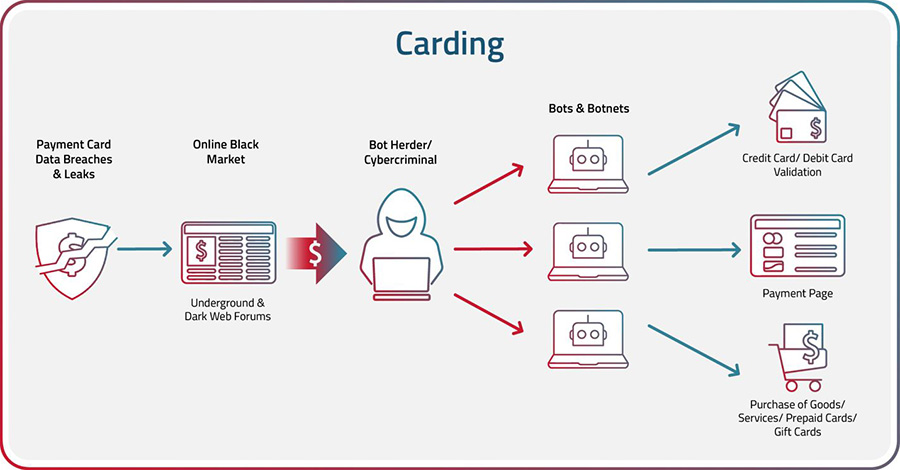
Step 1: Preparation
- Find a Non-VBV cc with full information
- Set up your VPN to a country matching the card
- Configure your Socks5 proxy to match the cardholder’s location
- Prepare a clean email address with the cardholder’s name
Step 2: Finding a Target Site
Look for online shops with:
- Basic security systems
- No phone verification
- No advanced fraud detection
- International shipping options
Beginners should start with smaller items under $500 to avoid detection.
Step 3: The Carding Process
- Create an account on the target site using the cardholder’s information
- Add items to your cart (stay under $500 for beginners)
- Enter the credit card information at checkout
- Use the cardholder’s billing address
- For shipping, use your prepared drop address
- Complete the purchase
Step 4: Receiving Your Package
For packages requiring no signature:
- Leave a note on the door asking the delivery person to leave the package
- Include a printed order confirmation with tracking number
For packages requiring a signature:
- Be prepared to meet the delivery driver
- Have a printed order confirmation ready
- Look confident and act like you’re expecting the package
Updated Bins for Carding Successfully in 2026
Best Non VBV Bins for Online Shops
- 414720 – Highly successful on most sites
- 426684 – Good for electronics
- 414710 – Works well with clothing sites
- 542432 – Excellent for general merchandise
- 476170 – High success rate on international sites

CLICK HERE TO Choose A NON VBV CC
Best Non VBV Bins for Crypto Sites
- 426684 – Works on most crypto exchanges
- 498405 – Good for smaller purchases
- 542432 – Higher limits available
- 414720 – Consistent success rate
Best Non VBV Bins for Gift Card Sites
- 440063 – Excellent for Amazon gift cards
- 542432 – Works on multiple gift card platforms
- 426684 – High success rate
- 408940 – Good for smaller denominations
Where to Get Non VBV CC
For beginners looking to test non-VBV cc, these platforms are currently reliable
Related: What Is a Man-in-the-Middle Attack?
Always choose a non vbv while ordering for a cc for carding, and select a CC with high balances to avoid declined transactions
Advanced Carding Techniques You Must Know
Account Takeover (ATO)
For higher-value items, you might need to perform an account takeover:
- Call the bank using a spoofed number matching the cardholder’s
- Answer security questions correctly (requires fullz information)
- Change the billing phone number to your burner phone
- Add your drop as a temporary shipping address
- Wait 5 days before making large purchases
Related: Top 8 Best Dark Web Browsers Ranked for Real Anonymity in 2026
Fraud Score Management
Every transaction gets a fraud score (0-999):
- Below 300: Usually approved automatically
- 300-500: May be manually reviewed
- Above 500: Usually declined
To keep your fraud score low:
- Match your IP to the cardholder’s location
- Use consistent information across sites
- Stay within normal spending patterns
- Start with smaller purchases
Security Best Practices
To avoid getting caught:
- Never use your personal device – Use a dedicated computer or virtual machine
- Always use a VPN – Before connecting to any site
- Use Socks5 proxy – To match the cardholder’s location
- Clear your browser history – After each session
- Never reuse drops – Find a new location for each order
- Stay under the radar – Don’t card too frequently
Common Mistakes to Avoid
- Using public WiFi for carding
- Carding during bank holidays
- Ordering during business hours
- Using the same card multiple times
- Carding expensive items as a beginner
- Forgetting to use a proxy or VPN
- Using your real information anywhere
Read also: CC to BTC Method 2026: Ultimate Beginner’s Guide to Card Bitcoin
Conclusion
Carding requires patience, attention to detail, and continuous learning. Start with small items and gradually work your way up as you gain experience. Always prioritize security and stay updated with the latest techniques and security measures.
Remember that no method is 100% foolproof, and cards may get declined. Don’t get discouraged – learn from each experience and refine your approach.
With this comprehensive guide, beginners should be able to successfully card their first items from online shops while minimizing risks of detection.
Verified Carding Markets for Cashouts
Verified accounts, real logs, and secure transfers - browse the categories most buyers trust on clear and darkweb.

Leave a Reply